
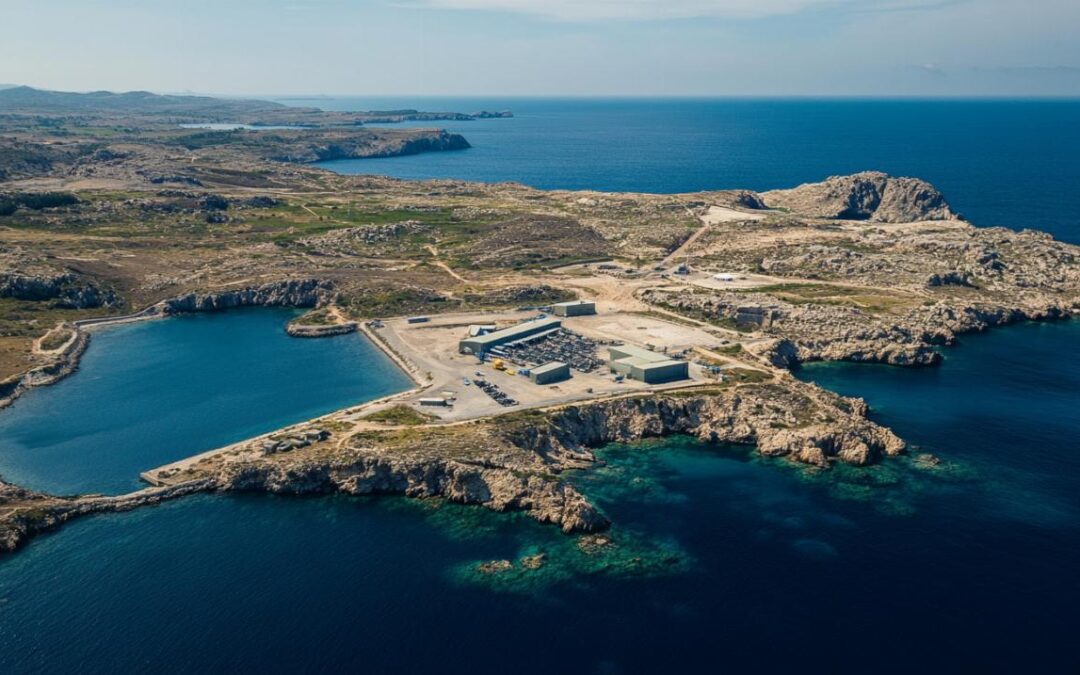
Tensions continue to simmer across the Mediterranean as Spain's military upgrades on two small but strategically significant archipelagos capture the attention of Moroccan media and ignite a broader conversation about sovereignty, regional power dynamics, and the role of digital platforms in modern political discourse. The decision to enhance defence infrastructure at Chafarinas and Alboran has been met with vocal criticism from Morocco, where politicians, journalists, and civil society actors have employed social networks to amplify their concerns and frame the developments as deliberate provocations. This narrative, shaped and disseminated rapidly through online channels, underscores the growing influence of social media in shaping public sentiment and political narratives across North Africa.
Strategic Significance of Chafarinas and Alboran Islands in Regional Geopolitics
Historical Context and Territorial Disputes Surrounding the Islands
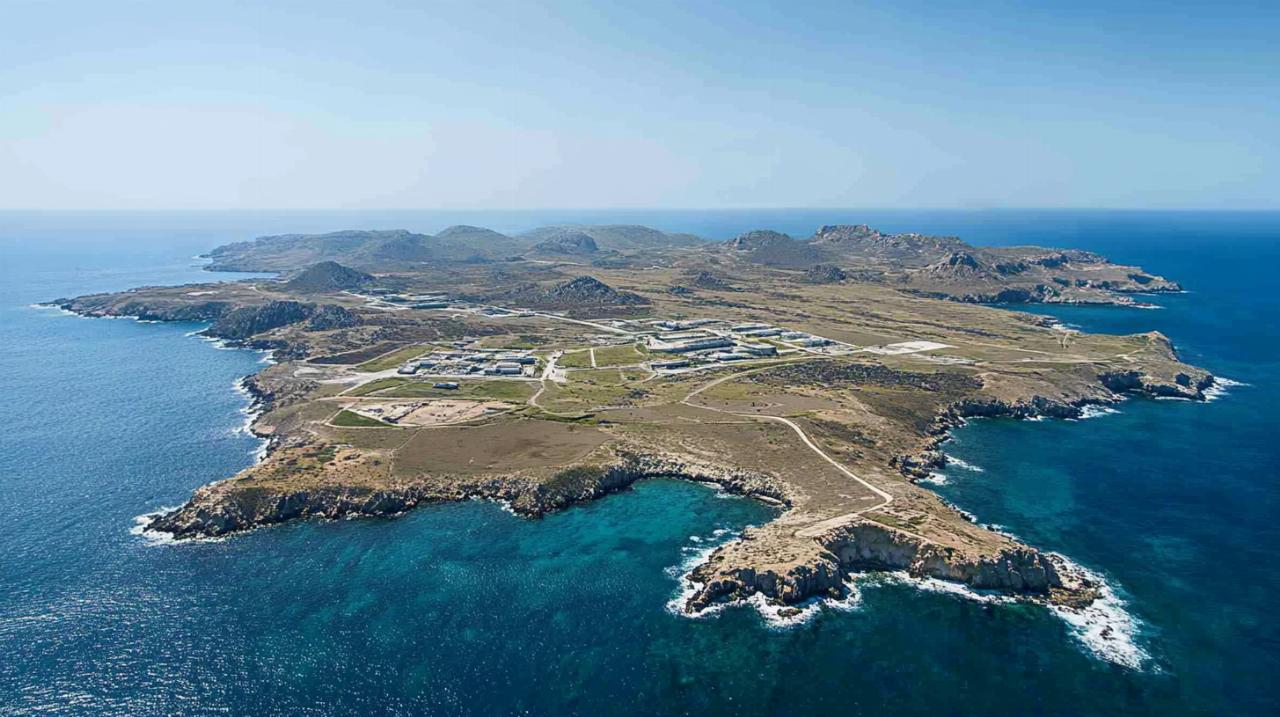
The islands of Chafarinas and Alboran occupy a unique position in the complex tapestry of North African and Mediterranean geopolitics. Chafarinas, a small archipelago located off the Moroccan coast near the town of Nador, has been under Spanish sovereignty since the mid-nineteenth century. Similarly, Alboran Island, situated in the Alboran Sea between Spain and Morocco, has long been a Spanish possession. Despite their modest size, these territories have been sources of intermittent diplomatic friction, with Morocco historically asserting claims over Chafarinas and expressing discomfort with the continued Spanish military presence in such proximity to its coastline. The islands are symbolic reminders of colonial history and unresolved territorial questions that continue to influence relations between Rabat and Madrid.
Over the decades, Morocco has consistently viewed Spanish sovereignty over these territories as an extension of colonial influence, a perspective that resonates deeply within Moroccan public discourse. The islands are not merely geographical points on a map but emblematic of broader questions regarding territorial integrity and national pride. As a result, any military activity or infrastructural enhancement on these islands is scrutinised closely by Moroccan authorities and civil society, often interpreted through the lens of historical grievances and contemporary security concerns. The recent upgrades have therefore reignited a debate that extends far beyond military strategy, touching upon themes of sovereignty, historical legacy, and regional power balances.
Military Infrastructure and Spain's Defence Priorities in North Africa
Spain's decision to enhance military infrastructure on Chafarinas and Alboran must be understood within the broader context of its defence priorities in North Africa and the Mediterranean region. Madrid has long maintained a military presence on these islands, partly to safeguard its territorial claims and partly to monitor maritime traffic, combat smuggling, and address security threats emanating from the southern Mediterranean. The recent upgrades, which include improvements to surveillance systems, communication networks, and logistical facilities, reflect Spain's commitment to modernising its defence capabilities in response to evolving security challenges.
From a Spanish perspective, these enhancements are defensive measures intended to bolster national security and fulfil obligations within broader European and NATO frameworks. Spain argues that such improvements are routine and necessary to maintain effective control over its sovereign territories and to contribute to regional stability. However, this rationale has not been well received in Morocco, where the military upgrades are perceived as an unnecessary escalation and a signal of Spain's intention to maintain a robust military footprint in close proximity to Moroccan shores. The divergence in interpretation highlights the deep-seated mistrust and differing strategic interests that characterise the relationship between the two nations.
Moroccan media narratives and public sentiment towards military enhancements
The Role of Social Media Platforms in Shaping Public Opinion and Political Discourse
In the digital age, social media platforms have emerged as powerful tools for shaping public opinion and political discourse, and nowhere is this more evident than in Morocco's response to Spain's military activities at Chafarinas and Alboran. Moroccan media outlets, bloggers, and political commentators have utilised platforms such as Facebook, Twitter, and YouTube to disseminate information, mobilise public sentiment, and frame the narrative around these developments. The speed and reach of social networks have enabled a rapid and widespread dissemination of the view that Spain's actions constitute a provocation, effectively transforming a military and diplomatic issue into a focal point of national debate.
Social media has facilitated a more direct and unfiltered form of political communication, allowing citizens to engage with issues in real time and to voice their concerns without the traditional gatekeeping functions of mainstream media. This democratisation of information has both positive and negative consequences. On one hand, it has empowered Moroccan citizens to participate more actively in political discourse and to hold their leaders accountable. On the other hand, it has also contributed to the spread of misinformation, heightened emotional responses, and the entrenchment of polarised positions. The framing of Spain's military upgrades as provocative has been amplified through these channels, creating a narrative that resonates deeply with Moroccan national sentiments and historical grievances.
Perspectives from Moroccan Politicians, Journalists, and Civil Society Actors
The reaction from Moroccan politicians, journalists, and civil society actors to Spain's military enhancements has been swift and vocal. Political figures have seized upon the issue to assert Morocco's sovereignty concerns and to criticise what they perceive as an aggressive posture by Spain. Some have called for diplomatic protests and for Morocco to take a firmer stance in negotiations with Madrid. Journalists have played a crucial role in shaping the narrative, with many outlets framing the upgrades as a direct challenge to Moroccan territorial integrity and regional security. Columnists and opinion writers have drawn parallels between these developments and historical patterns of colonial behaviour, further fuelling public indignation.
Civil society organisations and activist groups have also mobilised, using social networks to organise protests, petitions, and awareness campaigns. These groups argue that Spain's actions are not merely a bilateral issue but part of a broader pattern of European powers exerting influence over North African territories. The involvement of civil society has added a grassroots dimension to the discourse, ensuring that the issue remains high on the national agenda and that public pressure is maintained on Moroccan decision-makers. The confluence of political, media, and civil society voices has created a powerful chorus of dissent, one that the Moroccan government cannot easily ignore and that shapes the parameters within which diplomatic responses are formulated.
International diplomatic dimensions: morocco, algeria, spain, and france
Emmanuel Macron's Position and Its Impact on North African Relations
The involvement of French President Emmanuel Macron in regional affairs has added another layer of complexity to the tensions surrounding the military upgrades at Chafarinas and Alboran. France, with its historical ties and ongoing strategic interests in North Africa, occupies a unique position in the regional diplomatic landscape. Macron's administration has sought to balance its relationships with Morocco, Algeria, and Spain, navigating a delicate web of historical grievances, economic interests, and security concerns. His position on issues related to territorial sovereignty and regional security has significant implications for how these tensions unfold.
Morocco has closely monitored Macron's statements and diplomatic manoeuvres, particularly in relation to the Western Sahara conflict and France's stance on Moroccan sovereignty claims. Any perceived alignment between France and Spain on security matters in North Africa is viewed with suspicion in Rabat, where there is a concern that such cooperation could undermine Moroccan interests. Conversely, Algeria, which has its own historical and territorial disputes with Morocco, watches closely to ensure that French involvement does not disproportionately favour Moroccan positions. The interplay between these nations, mediated in part by France's diplomatic initiatives, illustrates the interconnectedness of North African geopolitics and the way in which actions in one theatre can have ripple effects across the region.
The Western Sahara Conflict as a Backdrop to Current Tensions and Provocations
Understanding the current tensions over Chafarinas and Alboran requires an appreciation of the broader context provided by the Western Sahara conflict. This long-standing dispute over territory and sovereignty has been a defining feature of North African politics for decades, influencing relations between Morocco and Algeria, as well as shaping Morocco's interactions with European powers. Morocco's claim to sovereignty over Western Sahara and its assertion of territorial integrity remain central to its national identity and foreign policy. The presence of Spanish military installations near Moroccan territory is therefore interpreted not in isolation but as part of a continuum of territorial challenges that Morocco faces.
The Western Sahara conflict has created a backdrop of heightened sensitivity around issues of sovereignty and territorial control. Any military activity by a foreign power near Moroccan shores is liable to be viewed through the prism of this unresolved dispute. For Morocco, the military upgrades at Chafarinas and Alboran are not simply about defence infrastructure but are emblematic of a broader pattern in which external actors maintain a presence in territories that Morocco considers part of its sphere of influence or, in some cases, rightfully its own. This historical and political context explains why the Moroccan media and public have reacted so strongly to what Spain characterises as routine military enhancements. The confluence of historical grievances, contemporary security concerns, and the power of social networks to amplify dissent has created a volatile mix that continues to challenge diplomatic relations across the Mediterranean and North Africa.