
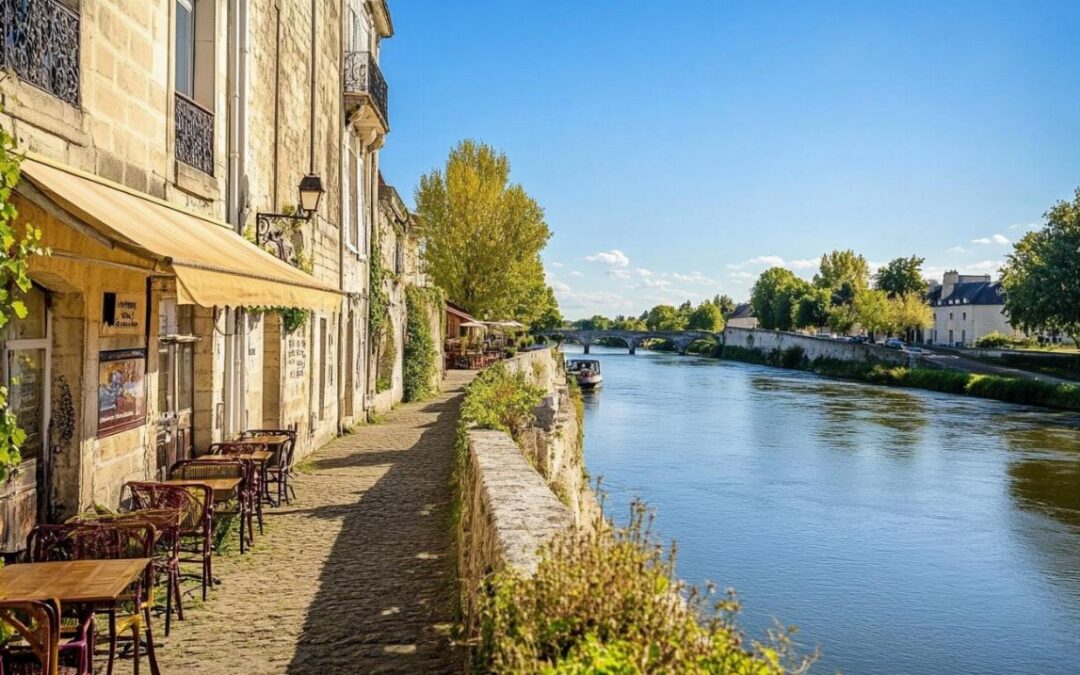
Nestled along the banks of the Dordogne River, Libourne often finds itself overshadowed by its more famous neighbours, yet this charming market town offers a culinary adventure that rivals any destination in Southwest France. With its vibrant market culture, proximity to world-renowned vineyards, and authentic bistros serving time-honoured recipes, Libourne invites food lovers to experience the true essence of French gastronomy away from the tourist throngs. From the aroma of freshly baked pastries to the rich complexity of locally produced wines, every corner of this historic town tells a delicious story waiting to be savoured.
Discovering libourne's traditional market culture and local produce
The Historic Saturday Market: A Feast for the Senses
Few experiences capture the spirit of Libourne quite like its bustling Saturday market, a tradition that has animated the town's medieval arcades for centuries. As dawn breaks over the Place Abel Surchamp, vendors begin arranging their wares beneath the stone arches, transforming the square into a vibrant tapestry of colours, scents, and sounds. The market serves as both a social hub and a testament to the region's agricultural bounty, where locals gather not merely to shop but to exchange recipes, news, and the occasional bit of gossip over a cup of strong coffee.
Wandering through the stalls, visitors encounter an impressive array of regional specialities that showcase the diversity of Southwest France's terroir. Farmers from nearby villages proudly display their seasonal vegetables, still bearing traces of the morning dew, whilst fishmongers offer the day's catch from the Atlantic coast. The air thrums with the energy of commerce and community, creating an atmosphere that feels both timeless and utterly alive. For those seeking an authentic taste of French lifestyle, this weekly gathering provides an unfiltered glimpse into the rhythms that have defined Libourne for generations.
Seasonal delicacies and artisanal producers worth seeking out
The true treasures of Libourne's market lie in the artisanal products crafted by local producers who have perfected their techniques over decades. Amongst the most prized finds are the renowned foie gras from nearby farms, where geese and ducks are raised using traditional methods that prioritise flavour and quality. These delicacies represent centuries of culinary refinement, transformed into terrines and preparations that melt on the tongue with an almost indecent richness. During the winter months, fortunate visitors might encounter vendors offering black truffles from the Périgord, their earthy aroma promising to elevate even the simplest dish into something extraordinary.
Beyond these luxurious ingredients, the market showcases the everyday excellence that defines French cuisine. Charcutiers present their selections of Bayonne ham, the meat cured with sea salt and aged to develop its characteristic sweetness and depth. Cheese merchants tempt passers-by with creamy rounds of local goat's cheese and aged cow's milk varieties that speak of the pastures where the animals graze. Bakers arrange their wares with an artist's eye, from crusty country loaves to delicate pastries that demonstrate the precision of their craft. These artisans represent a living link to culinary traditions that refuse to be homogenised, offering flavours that simply cannot be replicated elsewhere.
Wine and dine: exploring libourne's prestigious vineyard connections
Pomerol and Saint-Émilion: The Wine Routes on Your Doorstep
Libourne's geographical position places it at the heart of some of the world's most celebrated wine-producing terroir, making it an ideal base for those embarking on luxury food tours and wine tours through the Bordeaux region. Just a short drive from the town centre, the vineyards of Pomerol unfold across gentle hills, their gravelly soils nurturing Merlot grapes that develop into wines of extraordinary elegance and power. The appellation may be small in size, yet its reputation looms large amongst connoisseurs, with estates producing bottles that command reverence and considerable sums at auction houses around the globe.
Equally accessible from Libourne, the medieval village of Saint-Émilion rises dramatically from the limestone plateau, its ancient streets lined with wine merchants and tasting rooms. The vineyards surrounding this UNESCO World Heritage site benefit from a complex mosaic of soil types, allowing winemakers to craft expressions that range from approachable and fruit-forward to structured and age-worthy. Private wine tours departing from Libourne offer the opportunity to visit family-run estates where generations have honed their understanding of these distinctive plots, sharing insights that transform a simple tasting into an education in terroir and tradition. The proximity of these prestigious appellations makes Libourne an unassuming yet strategic gateway to gourmet travel through one of France's most storied wine regions.
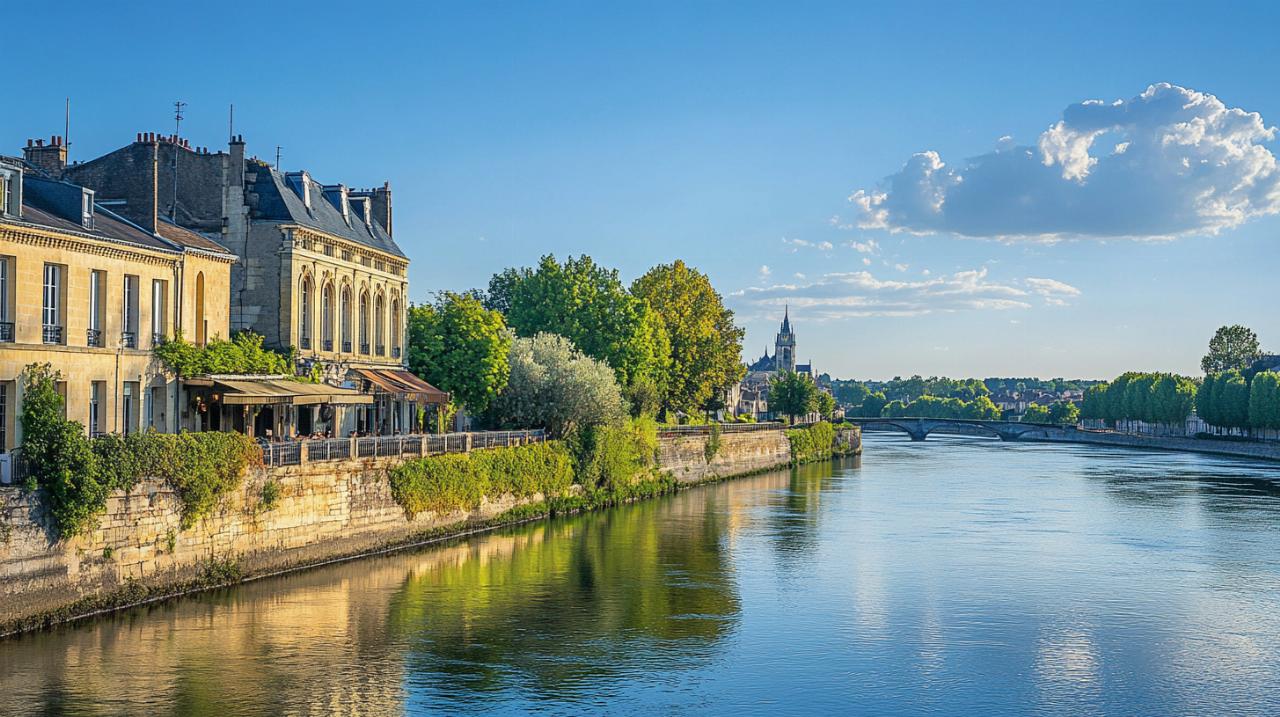
Pairing local vintages with regional gastronomy
The art of pairing wine with food reaches sublime heights in this corner of Southwest France, where the marriage of local vintages and regional cuisine has been perfected over centuries. The robust flavours of duck confit, a staple of the local table, find their ideal companion in the structured tannins of a Saint-Émilion Grand Cru, the wine's dark fruit notes complementing the richness of the meat whilst cutting through its fattiness. Similarly, the silky texture of Pomerol wines provides a luxurious backdrop to dishes featuring foie gras, creating a harmony that exemplifies the principles of thoughtful culinary pairing.
Beyond Bordeaux's legendary reds, the region offers spirits that have their own distinguished heritage. Armagnac, produced in the rolling hills to the south, brings a warming complexity to the conclusion of a meal, its notes of dried fruit and oak serving as the perfect digestif after a substantial feast. Many restaurants in Libourne have cultivated relationships with local vignerons and distillers, allowing them to offer pairings that highlight lesser-known producers alongside established names. This commitment to showcasing the full spectrum of the region's liquid treasures transforms dining into a comprehensive exploration of terroir, where each sip reveals another facet of Southwest France's viticultural identity.
Hidden Bistros and Culinary Treasures in Libourne's Old Town
Authentic restaurants championing south western flavours
Within the labyrinthine streets of Libourne's old town, discerning diners will discover bistros and restaurants that have resisted the lure of modernisation in favour of preserving the authentic flavours of French cuisine. These establishments, often family-run for multiple generations, serve as guardians of recipes passed down through the ages, prepared with techniques that prioritise patience over speed. The dining rooms themselves exude a lived-in charm, with worn wooden tables and copper pots adorning the walls, creating an atmosphere that feels more like dining in someone's home than a commercial venue.
The menus at these hidden gems celebrate the seasonality and provenance of ingredients, with dishes that change according to what the local farmers and foragers can provide. Chefs build relationships with the producers encountered at the Saturday market, ensuring that the duck, vegetables, and herbs that grace their plates represent the finest the region has to offer. This commitment to locality and quality defines the culinary experiences available in Libourne, where fine dining need not involve molecular gastronomy or international fusion, but rather the perfection of dishes that have satisfied appetites for generations. For those willing to venture beyond the main thoroughfares, these restaurants offer a taste of Southwest France that remains delightfully unspoiled by mass tourism.
From Duck Confit to Cannelés: Must-Try Dishes in the Region
No gastronomic journey through Libourne would be complete without sampling the signature dishes that have defined the region's culinary identity. Duck confit stands as perhaps the most iconic preparation, the legs preserved in their own fat until the meat becomes impossibly tender whilst the skin achieves a satisfying crispness. Served alongside golden potatoes cooked in the same rich fat, this dish embodies the hearty, flavour-forward approach to cooking that characterises Southwest France. The preparation demands time and attention, qualities that local chefs provide in abundance, resulting in a dish that transcends its humble ingredients to achieve something approaching perfection.
Equally essential to the Libourne experience are the cannelés, those enigmatic small pastries with their caramelised exterior and custardy interior flavoured with rum and vanilla. Though associated primarily with Bordeaux, excellent versions can be found in the town's pâtisseries, where bakers rise before dawn to achieve the precise temperature and timing required for these finicky confections. Beyond these classics, visitors should seek out preparations featuring black truffles when in season, their earthy intensity elevating simple egg dishes and pasta into memorable culinary moments. The region's charcuterie also demands attention, particularly the Bayonne ham that appears on nearly every menu, its delicate saltiness providing a perfect opening to a leisurely meal. These dishes, enjoyed in the convivial atmosphere of Libourne's bistros and accompanied by wines from the surrounding appellations, offer a masterclass in the pleasures of French gastronomy at its most authentic and unpretentious.