
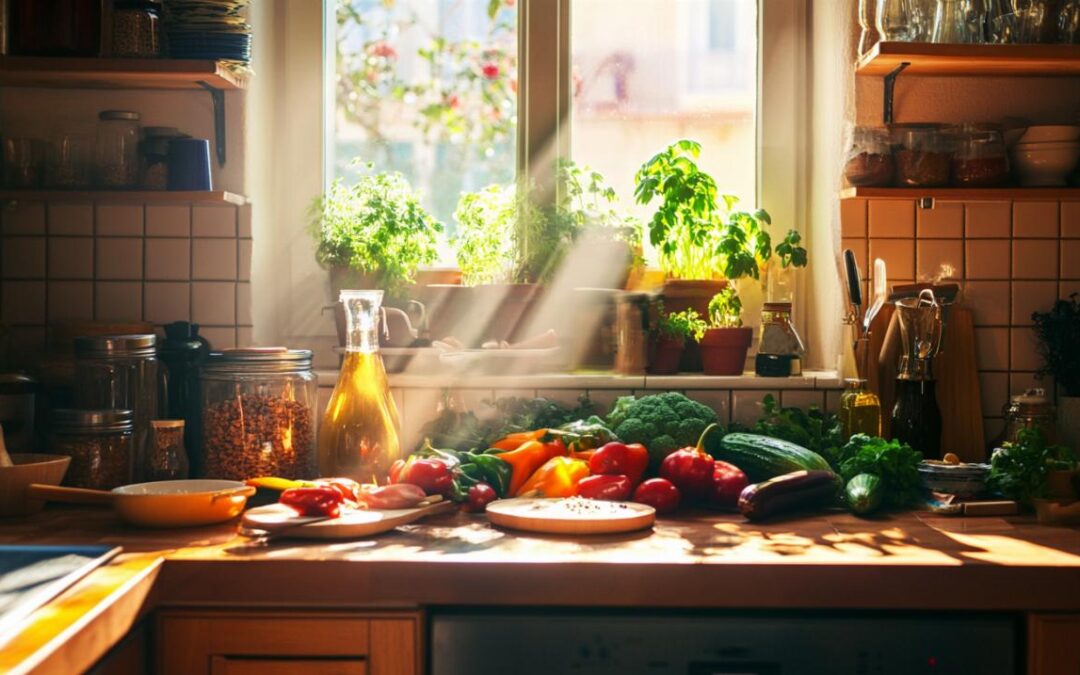
Spanish cuisine has long captivated food enthusiasts around the world with its vibrant flavours, colourful presentations, and comforting warmth. From bustling tapas bars in Barcelona to family kitchens in Andalusia, the essence of Spanish cooking lies in its simplicity and authenticity. Bringing this culinary tradition into your own home is not only achievable but also immensely rewarding. With a few key techniques, quality ingredients, and a spirit of sharing, you can transform your dining room into a small corner of Spain, complete with the aromas of saffron, garlic, and fresh seafood wafting through the air.
Mastering classic spanish dishes in your kitchen
Spanish cooking is rooted in tradition, yet it remains remarkably accessible to home cooks of all skill levels. The beauty of these dishes lies in their reliance on fresh, quality ingredients rather than complex techniques. Whether you are preparing a weeknight supper or hosting a gathering, mastering a few classic recipes will open the door to a world of flavour. The focus is on allowing natural tastes to shine through, creating meals that are both nourishing and deeply satisfying.
Creating authentic paella with simple techniques
Paella stands as one of the most iconic symbols of Spanish gastronomy, originating from the Valencia region and now enjoyed in countless variations across the globe. At its heart, paella is a celebration of rice, saffron, and whatever fresh ingredients are available, be it seafood, chicken, rabbit, or vegetables. The dish is traditionally cooked in a wide, shallow pan that allows the rice to develop a deliciously crispy bottom layer known as socarrat. Achieving this requires patience and the right heat distribution, but the result is well worth the effort. For those seeking a more convenient approach, slow-cooker versions have gained popularity, offering a hands-off method that still delivers rich, layered flavours. Whether you opt for a classic seafood paella brimming with prawns and mussels or a vegetarian rendition featuring seasonal vegetables and artichokes, the key is to use good-quality stock and allow the rice to absorb every bit of flavour. Recipes such as prawn paella cakes offer a creative twist, transforming leftovers into delightful tapas-style bites. The versatility of paella means it can adapt to your pantry and preferences, making it an ideal dish for both novice and experienced cooks.
Crafting delicious tapas for any occasion
Tapas embody the convivial spirit of Spanish dining, where small plates are shared among friends and family, encouraging conversation and connection. These bite-sized offerings range from simple olives and almonds to more elaborate preparations like albóndigas, which are tender meatballs simmered in a rich tomato sauce, or tortilla española, a thick omelette made with potatoes and onions. Crafting tapas at home is an excellent way to explore tasty spanish recipes without committing to a single large dish. You might start with garlic and lemon prawns, quickly sautéed and served with crusty bread to soak up the fragrant juices. Chorizo, with its smoky paprika flavour, can be sliced and pan-fried until crispy, then paired with roasted peppers or a simple bean salad. For vegetarian options, consider patatas bravas, crispy fried potatoes topped with a spicy tomato sauce and aioli, or escalivada, a medley of roasted vegetables drizzled with olive oil. The beauty of tapas is that they require minimal equipment and can be prepared in stages, allowing you to enjoy the cooking process as much as the meal itself. They are perfect for casual gatherings, allowing guests to sample a variety of flavours and textures throughout the evening.
Selecting quality ingredients for spanish cooking
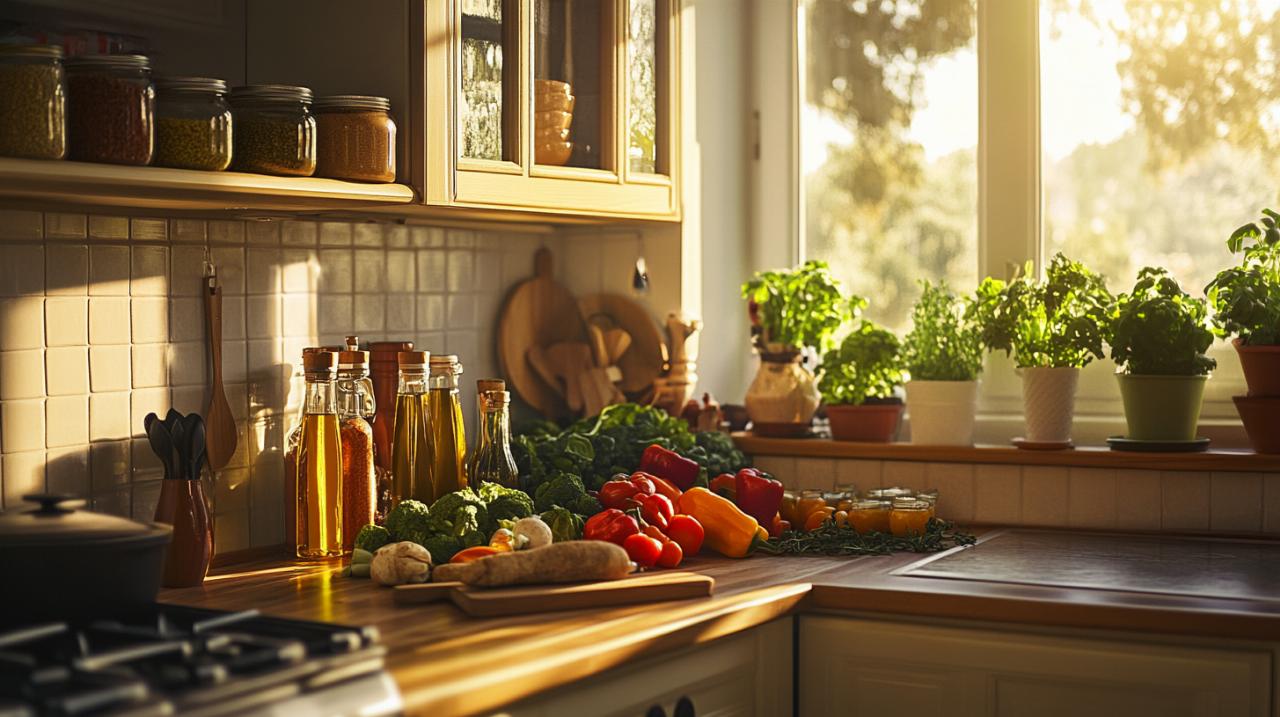
The foundation of any great Spanish meal is the quality of its ingredients. Spanish cuisine is characterised by its reliance on natural, minimally processed produce, emphasising freshness and seasonality over complexity. This approach not only enhances flavour but also aligns with the principles of the Mediterranean diet, which is celebrated for its health benefits. By sourcing the best ingredients available, you can recreate the authentic taste of Spain in your own kitchen, even if you are far from its sun-drenched coastlines and fertile valleys.
Sourcing fresh seafood and seasonal vegetables
Seafood plays a central role in many Spanish dishes, particularly those hailing from coastal regions. Prawns, squid, clams, and mussels are commonly featured in paellas, stews, and tapas, bringing a taste of the sea to the table. When selecting seafood, freshness is paramount. Look for bright eyes in whole fish, firm flesh, and a clean, briny aroma. If fresh options are limited, frozen seafood can be a practical alternative, provided it has been properly handled and stored. Many recipes, such as zarzuela, a Catalan seafood stew, showcase a variety of shellfish and fish simmered in a fragrant tomato and saffron broth, demonstrating how the natural sweetness of the sea can be elevated with simple seasonings. Vegetables are equally important, and Spanish cooking celebrates the abundance of each season. Tomatoes, peppers, aubergines, courgettes, and artichokes are staples, often roasted, grilled, or stewed to bring out their inherent sweetness. Local produce, when available, offers superior flavour and supports sustainable practices. Visiting farmers' markets or greengrocers can connect you with the freshest seasonal offerings, much as cooks in Spain do. By choosing ingredients at their peak, you ensure that your dishes are vibrant, nutritious, and full of character.
Essential spanish spices and pantry staples
A well-stocked pantry is essential for recreating the authentic flavours of Spanish cuisine. Saffron, often referred to as red gold, is perhaps the most prized spice, lending its distinctive colour and subtle floral notes to paella and other rice dishes. While it can be costly, a small amount goes a long way, and its presence is unmistakable. Smoked paprika, or pimentón, is another cornerstone, available in sweet, bittersweet, and hot varieties. It adds depth and a hint of smokiness to everything from chorizo and stews to marinades and sauces. Garlic is used liberally, whether raw in aioli, sautéed as a base for sofrito, or roasted to spread on bread. Extra virgin olive oil is indispensable, serving as both a cooking medium and a finishing touch. Spanish olive oils vary by region, with those from Andalusia, Catalonia, and Extremadura each offering unique profiles. Other pantry staples include tinned tomatoes, white beans, chickpeas, and good-quality rice, particularly the short-grain varieties used in paella. Vinegar, especially sherry vinegar, adds brightness to dressings and stews, while capers, olives, and anchovies provide bursts of briny intensity. By keeping these essentials on hand, you can effortlessly prepare a wide range of Spanish dishes, from hearty stews like fabada to lighter fare like gazpacho. The simplicity of these ingredients belies their power to transform everyday meals into something truly special, capturing the essence of Spanish home cooking with every bite.