
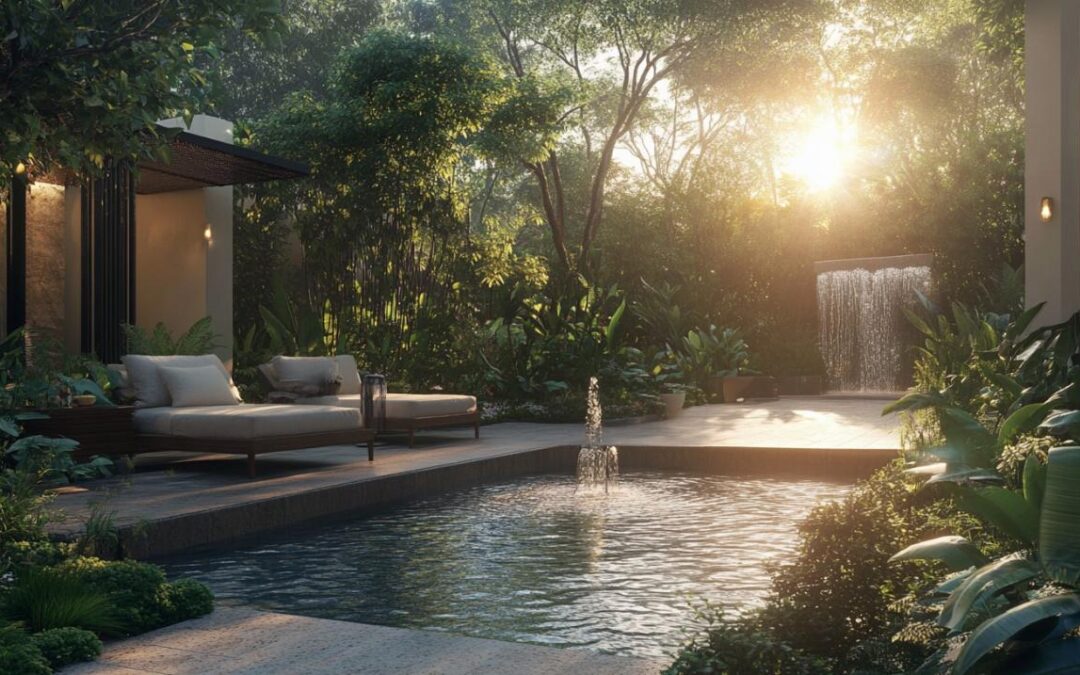
Transforming an outdoor terrace into a serene sanctuary requires more than just a few loungers and potted plants. The art of designing a spa terrace lies in thoughtful arrangement, careful selection of materials, and a keen understanding of how each element contributes to an atmosphere of calm and rejuvenation. Whether you are looking to create a private oasis at home or enhance a commercial wellness space, the principles remain the same: blend functionality with beauty, nature with design, and comfort with style.
Establishing a Harmonious Spatial Layout for Ultimate Relaxation
The foundation of any inviting spa terrace begins with a well-considered spatial layout. Understanding how to divide and organise the available area ensures that every corner serves a purpose, guiding visitors through a journey of tranquillity. A harmonious layout does not happen by chance; it requires deliberate planning to balance openness with intimacy, movement with stillness, and public zones with private retreats. When the spatial arrangement is right, the terrace naturally invites relaxation and encourages guests to linger.
Zoning your terrace: creating distinct areas for different experiences
One of the most effective strategies in terrace design is zoning, which involves dividing the space into distinct areas tailored to different activities and moods. A successful spa terrace might feature a quiet meditation corner, a social seating area, a shaded lounge, and perhaps a wellness zone with a hot tub or plunge pool. By employing creative composition techniques, you can delineate these zones without the need for walls or rigid barriers. Low planters filled with lush greenery, changes in flooring material, or subtle shifts in elevation can all signal a transition from one area to another. The key is to maintain visual cohesion while allowing each zone to possess its own character. For instance, a reading nook might be defined by timber decking and surrounded by fragrant jasmine, while a sunbathing area could feature durable porcelain flooring that stays cool underfoot. This thoughtful segmentation ensures that the terrace caters to a variety of needs, from solitary reflection to intimate conversation, all within a unified design language.
Flow and movement: designing pathways that encourage calm exploration
Equally important to zoning is the concept of flow. The way people move through a space profoundly affects their experience of it. Pathways should be intuitive and inviting, gently guiding visitors from one zone to the next without feeling rushed or constrained. Curved routes often feel more organic and relaxing than straight lines, mimicking the natural contours found in gardens and landscapes. Consider using stepping stones set into gravel, wide wooden planks, or smooth stone slabs to create these pathways. The choice of material not only impacts aesthetics but also the tactile experience underfoot, which is particularly significant in a spa setting where every sensory detail matters. Integrating subtle lighting along these paths enhances safety while adding an enchanting quality during evening hours. The goal is to encourage exploration and discovery, allowing guests to meander at their own pace, pausing to appreciate a water feature or admire a cluster of ornamental grasses along the way.
Selecting and Arranging Elements to Craft an Irresistible Atmosphere
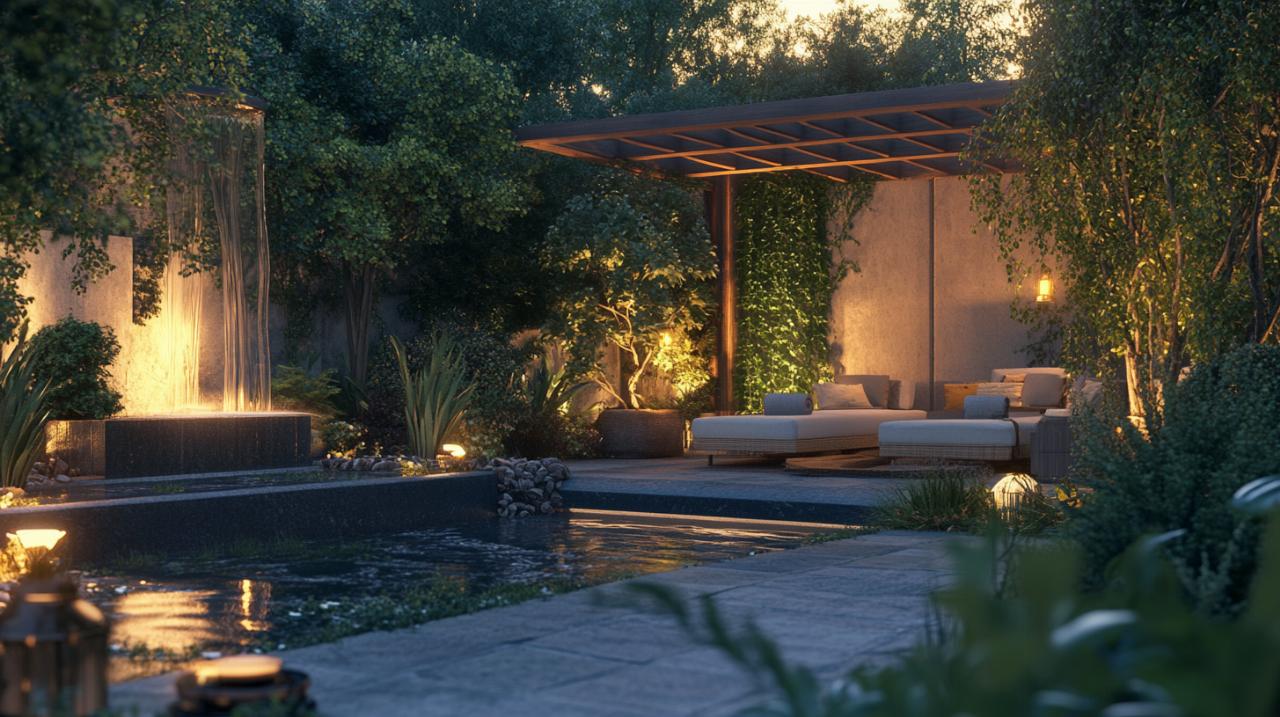
Once the spatial framework is in place, attention turns to the elements that populate the terrace. Furniture, materials, plants, and decorative features all play vital roles in shaping the overall ambience. The selection and arrangement of these components should reflect the principles of spa design: simplicity, comfort, and a deep connection to nature. Each piece should serve both a practical function and an aesthetic purpose, contributing to a cohesive whole that feels effortless and inviting.
Furniture Placement and Material Choices for Comfort and Visual Appeal
Furniture is perhaps the most tangible expression of comfort on a spa terrace. Choosing pieces that are both stylish and supremely comfortable is essential. Deep-seated loungers with plush cushions, low-slung daybeds, and hammocks all evoke a sense of leisure and encourage guests to unwind fully. Opt for moisture-resistant materials that can withstand the elements without sacrificing elegance. Teak, rattan, and powder-coated aluminium are popular choices, offering durability alongside timeless appeal. Arranging furniture in small, intimate groupings rather than in rigid rows fosters a sense of exclusivity and calm. Consider placing a pair of chairs at an angle to each other, inviting conversation, or positioning a single lounger to face a view, encouraging solitude. Layering textiles such as outdoor rugs, throw blankets, and cushions in a neutral colour scheme adds warmth and texture, softening the hard edges of stone or wood and reinforcing the spa-like atmosphere. The interplay between hard and soft elements creates a balanced, welcoming environment where every detail has been considered.
Incorporating Natural Features and Greenery to Enhance the Zen Vibe
No spa terrace is complete without a generous infusion of natural elements. Plants are not merely decorative; they purify the air, provide shade, and create a sense of enclosure and privacy. Select species that thrive in your climate and require minimal maintenance, such as bamboo, lavender, ornamental grasses, and hardy succulents. Vertical gardens or trellises draped with ivy can transform blank walls into verdant backdrops, while potted palms or ferns add lushness to seating areas. Water features, whether a simple stone fountain or a shallow reflecting pool, introduce the soothing sound of flowing water, a hallmark of tranquil spa environments. Stone and wood should be woven throughout the design, echoing the natural landscape and grounding the space in earthy authenticity. Large boulders can serve as sculptural focal points, while reclaimed timber beams might frame a pergola overhead. The aim is to blur the boundaries between the built environment and the natural world, creating a seamless transition that enhances the sense of retreat and renewal. By harmonising these elements with thoughtful placement and attention to scale, the terrace becomes a sanctuary that invites both body and mind to relax.