
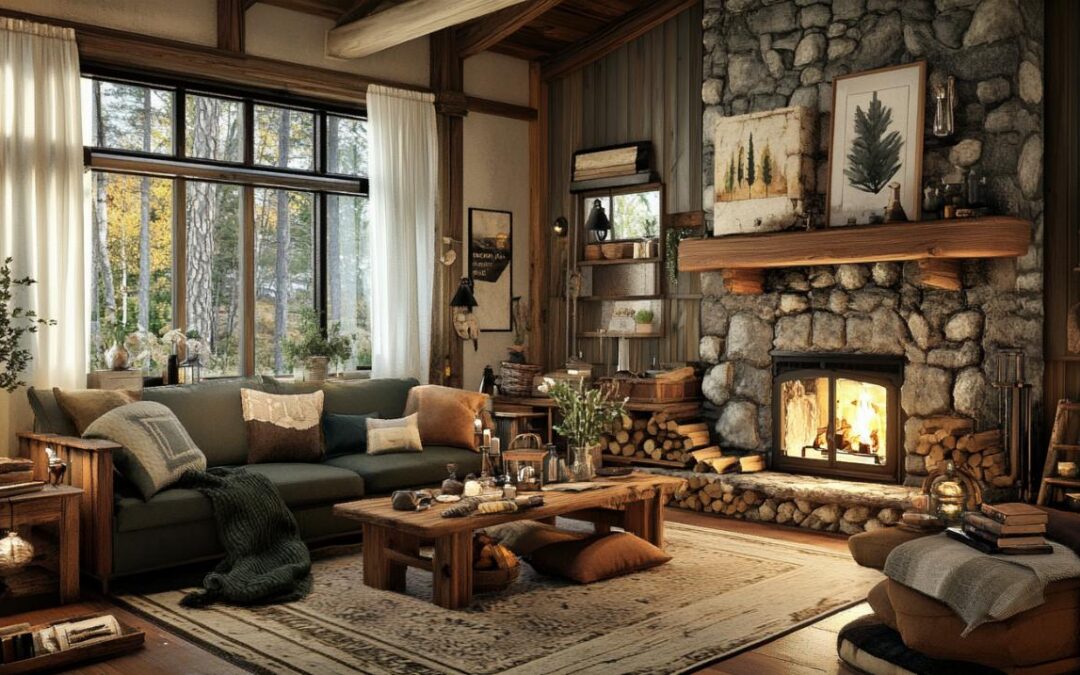
Bringing a touch of the countryside into your London gaff can completely transform how you experience your living space. The appeal of rustic home decor lies in its ability to create warmth, authenticity, and a sense of calm amidst the hustle and bustle of city life. Whether you live in a Victorian terrace or a modern flat, incorporating rustic elements offers a timeless aesthetic that marries heritage with comfort. The beauty of this style is that it celebrates imperfection, age, and the natural world, making every room feel inviting and lived-in.
Essential Elements for Creating a Rustic Atmosphere in Your Home
Achieving an authentic rustic interior begins with understanding the core components that define this enduring style. At its heart, rustic design celebrates the raw beauty of natural materials and the stories they tell. From reclaimed wood to hand-hewn stone, each element contributes to an atmosphere that feels grounded and genuine. The key is to layer textures and finishes in a way that feels organic rather than contrived, allowing the materials themselves to become the focal point of your design.
Natural materials and textures that define rustic style
Wood remains the cornerstone of any rustic interior, whether it appears as exposed ceiling beams, tongue and groove panelling, or a sturdy farmhouse table. The character of aged timber, with its knots, grain, and patina, brings an irreplaceable warmth to a room. Stone is equally important, often appearing as fireplace surrounds, flooring, or even as decorative accents. The tactile quality of these materials invites touch and creates a sensory experience that synthetic alternatives simply cannot replicate.
Linen and other natural fabrics play a crucial role in softening the harder edges of wood and stone. Block-printed textiles, whether used as curtains, cushion covers, or throws, introduce pattern and visual interest without overwhelming the space. These fabrics age beautifully, developing a soft, lived-in quality that only enhances their appeal over time. Natural fibre rugs, such as jute or sisal, anchor seating areas and add another layer of texture underfoot. When selecting materials, look for pieces that show signs of craftsmanship and authenticity, as these details contribute significantly to the overall atmosphere.
Painted furniture offers another avenue for incorporating rustic charm, particularly when adorned with folk motifs or finished in muted, chalky tones. A wooden tallboy painted in a soft sage or faded blue can become a striking focal point in a bedroom, whilst a distressed kitchen dresser provides both storage and visual appeal. The beauty of painted pieces lies in their ability to bridge the gap between formal and casual, making them versatile additions to various rooms. Original features, when preserved or carefully restored, add immeasurable character. Whether it's an old cast-iron radiator, a traditional sash window, or a vintage door handle, these elements connect your home to its history and provide a sense of continuity.
Colour Palettes and Finishes for Authentic Countryside Charm
The colour palette of rustic interiors draws inspiration directly from the natural world. Neutral tones such as beige, grey, and off-white form the foundation, creating a calm backdrop that allows other elements to shine. These shades work particularly well on walls, where they reflect natural light and make spaces feel larger and more open. Earth tones, including brown, terracotta, rust, and olive green, introduce warmth and depth without disrupting the overall sense of tranquillity. These colours can be incorporated through soft furnishings, ceramics, or even painted furniture.
Accent colours provide opportunities for personal expression and seasonal variation. Navy blue and burgundy lend sophistication and richness, whilst brick red, mustard yellow, and ochre inject vibrancy and energy. The key is to use these bolder shades sparingly, allowing them to punctuate rather than dominate the space. A mustard cushion on a neutral sofa or a burgundy throw draped over a wooden chair can make all the difference. When it comes to finishes, matte and distressed surfaces are preferred over high gloss. Walls benefit from limewash or chalky emulsion paints that create a soft, almost velvety appearance. Woodwork can be left natural or treated with oils and waxes that enhance the grain whilst providing protection. For those looking to introduce colour, shades like Amethyst Starling, Rope Swing, and Heather Climb offer sophisticated options that complement rustic aesthetics beautifully.
Practical Tips for Incorporating Rustic Decor into Modern London Living
Adapting rustic style to contemporary urban living requires a thoughtful approach that respects both tradition and modern practicality. The challenge lies in creating a space that feels cohesive rather than themed, where rustic elements enhance rather than overwhelm. Fortunately, rustic home decor ideas can be scaled and adapted to suit any size of property, from a studio flat to a family home. The focus should be on selecting pieces that serve a function whilst contributing to the overall aesthetic, ensuring that your space remains liveable and comfortable.
Blending contemporary comfort with traditional rustic features
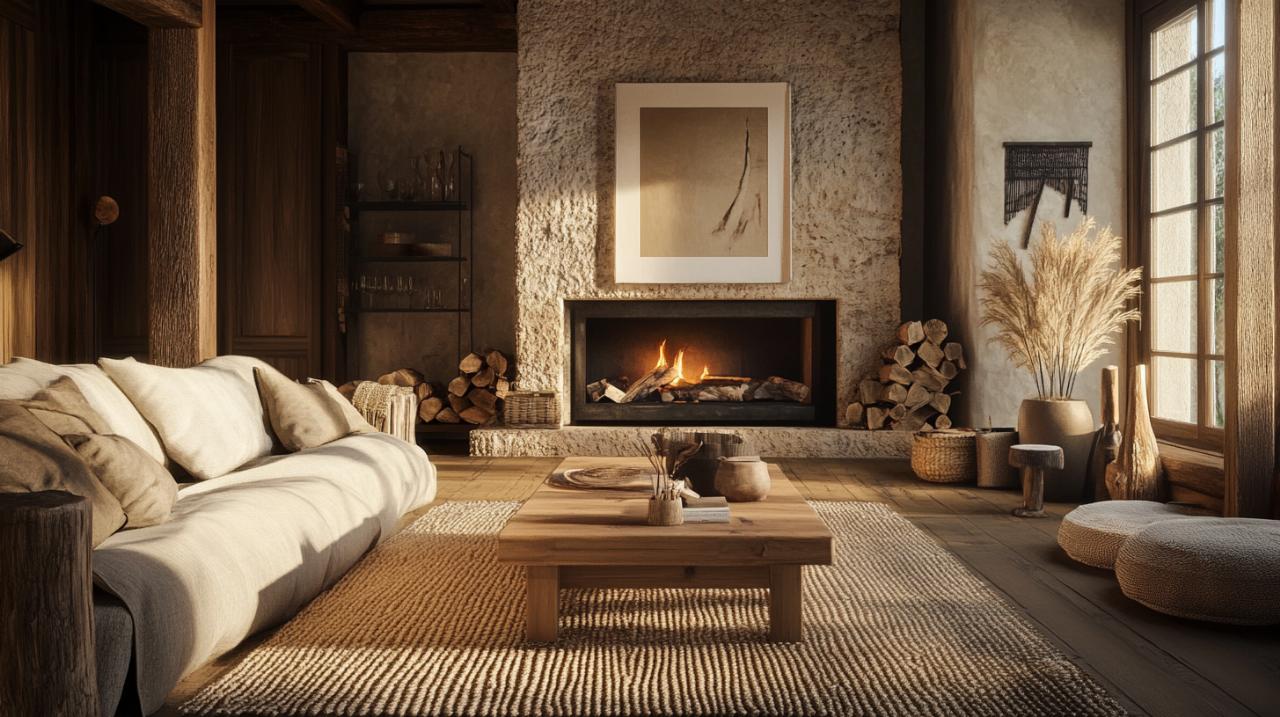
The modern rustic approach seamlessly merges clean lines with aged materials, creating interiors that feel both fresh and timeless. In the living room, an upholstered sofa in a neutral linen can be paired with a raw wood coffee table, striking a balance between comfort and character. Natural light plays a crucial role in these spaces, so avoid heavy window treatments that block sunshine. Instead, opt for simple linen curtains or wooden shutters that can be adjusted throughout the day. Natural fibre rugs define seating areas and add warmth, whilst green plants introduce life and colour. A fiddle-leaf fig or a collection of herbs on a windowsill can make a significant impact.
In the kitchen, combining the natural look of wood with the durability of ceramic creates a space that is both practical and beautiful. Wood-look tiles offer an excellent compromise, providing the appearance of aged timber without the maintenance concerns. Open shelving made from reclaimed wood displays crockery and glassware, turning everyday items into decorative features. Metal accessories, such as copper pans or iron pot racks, add industrial touches that complement the rustic aesthetic. For those working with smaller kitchens, a single statement piece, such as an extendable farmhouse table, can transform the entire room. The Wilmore Extendable Table, for instance, offers versatility without sacrificing style.
Bedrooms benefit from a quieter, more restrained approach to rustic decor. Exposed beams, if your property has them, create an instant focal point and add architectural interest. A wooden tallboy provides storage whilst contributing to the country aesthetic. Stone-look tiles in an ensuite bathroom create a sanctuary-like atmosphere, particularly when combined with raw wood cabinets and abundant greenery. Textiles play a particularly important role in the bedroom, where comfort is paramount. Layer different fabrics, from chunky knit throws to fine linen sheets, to create a bed that looks as inviting as it feels. Colours can be slightly brighter here than in other rooms, with mellow yellow or light green adding a cheerful note without disrupting the restful atmosphere.
Budget-Friendly Ways to Source Rustic Pieces and Accessories
Creating a rustic interior does not require an unlimited budget or a country estate filled with antiques. Many of the most effective rustic elements can be sourced affordably with a bit of creativity and patience. Architectural salvage yards offer treasure troves of reclaimed wood, vintage hardware, and period features that can be incorporated into modern homes. These items often cost less than new equivalents whilst bringing far more character and history. Car boot sales and charity shops are excellent sources for painted furniture, vintage textiles, and decorative accessories. A plain wooden piece can be transformed with paint or wax, allowing you to create a custom look that perfectly suits your space.
For those who prefer shopping online, many retailers now offer rustic-inspired pieces at accessible price points. Simple accessories can make a significant impact without breaking the bank. A Conran Glass Cloche, priced around twenty-five pounds, creates an elegant display for seasonal items or small plants. A wooden cake plate, available for approximately thirty-five pounds, serves both practical and decorative purposes in a rustic kitchen. Look for pieces that combine functionality with aesthetic appeal, ensuring that every item earns its place in your home. When budget allows, invest in larger statement pieces that will stand the test of time, such as a solid wood dining table or a quality natural fibre rug.
Paint offers one of the most cost-effective ways to introduce rustic character to your home. A fresh coat in a carefully chosen neutral or earth tone can completely transform a room, providing the perfect backdrop for your rustic furnishings. Many paint companies now offer country-inspired colour collections, such as the Country Retreat range, which takes inspiration from nature to create cosy, rustic atmospheres. Taking advantage of promotions, such as free delivery on orders over one hundred pounds or discounts for email sign-ups, can make quality products more accessible. Remember that building a rustic interior is an ongoing process rather than a single project. Collect pieces gradually, choosing items that genuinely appeal to you rather than rushing to complete a look. This approach not only spreads the cost but also ensures that your home develops organically, reflecting your personal taste and evolving needs. The most successful rustic interiors are those that feel authentic and lived-in, qualities that cannot be purchased overnight but develop naturally over time.