

Across Britain's towns and cities, something quietly revolutionary has been happening on two wheels. What started as small groups of enthusiasts meeting at weekends has grown into a movement reshaping how people think about getting around, staying fit, and connecting with their neighbours. This is the story of how ordinary streets are becoming extraordinary spaces for community, skill-building, and genuine urban transformation.
In brief
- Local cycling clubs in Britain have evolved from small enthusiast groups into a grassroots movement that promotes community wellbeing and urban transformation.
- These community-led initiatives are successfully influencing local councils to invest in safer cycling infrastructure and better urban routes.
- British cities are increasingly adopting strategies inspired by European leaders like Lyon and Strasbourg to adapt cycling networks to their unique local topographies.
- Community workshops provide essential technical skill-sharing, making cycling more accessible and fostering self-reliance among riders of all ages.
- The implementation of secure, high-tech parking and storage solutions is critical in reducing bike theft and encouraging more commuters to choose cycling.
- Specialized training programs for both pedal cyclists and motorbike riders are enhancing road safety and teaching protective security measures.
- The growing cycling industry is creating diverse economic opportunities, offering career pathways for individuals in roles ranging from mechanics to specialized assembly.
The Rise of Community-Led Cycling Initiatives Across the UK
There's a certain energy you feel when you stumble upon a local cycling club on a Saturday morning. Riders of all ages gather, swap stories, and set off together through streets that suddenly feel more welcoming. This grassroots enthusiasm has become a genuine force for change, with clubs popping up in cities large and small, each one contributing to a broader shift in how we imagine urban mobility. It's not just about getting from A to B anymore; it's about reclaiming space, building friendships, and proving that a simple bike can do remarkable things for a community's wellbeing.
From london to manchester: grassroots movements reshaping city streets
Walk through certain neighbourhoods in London or Manchester and you'll spot the evidence everywhere: dedicated cycling lanes buzzing with activity, community noticeboards advertising group rides, and cafés that have become unofficial meeting points for local riders. These grassroots movements often start with just a handful of passionate individuals, yet they snowball into something far bigger, influencing local councils to invest in better infrastructure and safer routes. Cities across the continent offer inspiring blueprints too. Lyon, for instance, has become something of a case study in how a city can embrace cycling wholeheartedly, with extensive networks that make pedalling around town feel natural rather than daunting. Meanwhile, Strasbourg has long been celebrated for its forward-thinking approach, having invested in cycling infrastructure decades before it became fashionable elsewhere. British cities are increasingly looking to these examples, borrowing ideas and adapting them to local contexts, whether that's Bristol's hilly terrain or Birmingham's sprawling suburbs.
What makes these movements so compelling is their organic nature. Rather than being dictated from above, change tends to bubble up from residents who simply want better, safer ways to explore their own cities. Local bike shops often become unofficial hubs, hosting meet-ups and sharing knowledge about routes, repairs, and everything in between.

How workshop programmes are building technical skills for all ages
One of the loveliest aspects of this cycling renaissance is the emphasis on skill-sharing through community workshop sessions. These aren't stuffy classrooms but lively, hands-on spaces where a curious teenager might learn to fix a puncture alongside a retired engineer teaching them the finer points of gear mechanisms. Many towns now host regular workshop days where people bring in their bikes for maintenance, learn basic repairs, and pick up tips that would otherwise cost a fortune at a shop. This democratisation of knowledge means fewer barriers to entry for newcomers and a stronger sense of self-reliance amongst riders. It's genuinely heartening to watch a child who arrived nervous about handling tools leave with newfound confidence and a working bicycle they helped repair themselves.
Parking Solutions and Security Measures: Making Cities Safer for Cyclists
As more people take to cycling, the question of where to actually leave your bike becomes surprisingly pressing. Nobody wants to invest in decent equipment only to have it nicked outside the office or train station. This is why forward-thinking cities have started prioritising secure, thoughtful parking solutions that give riders genuine peace of mind.
Innovative bike storage schemes in british urban centres
Gone are the days when a flimsy metal rack was considered adequate provision. Modern British cities are experimenting with covered, monitored storage facilities that wouldn't look out of place in a science fiction film, complete with card access and CCTV coverage. Some train stations now offer substantial covered hubs where hundreds of bikes can be stored securely throughout the working day, encouraging more commuters to combine cycling with public transport for longer journeys. These schemes matter enormously because theft remains one of the biggest deterrents preventing people from taking up cycling in the first place. When someone knows their bike will be safe whilst they're at work or shopping, they're far more likely to choose two wheels over four.
Safe training programmes: protecting riders and their motorbikes
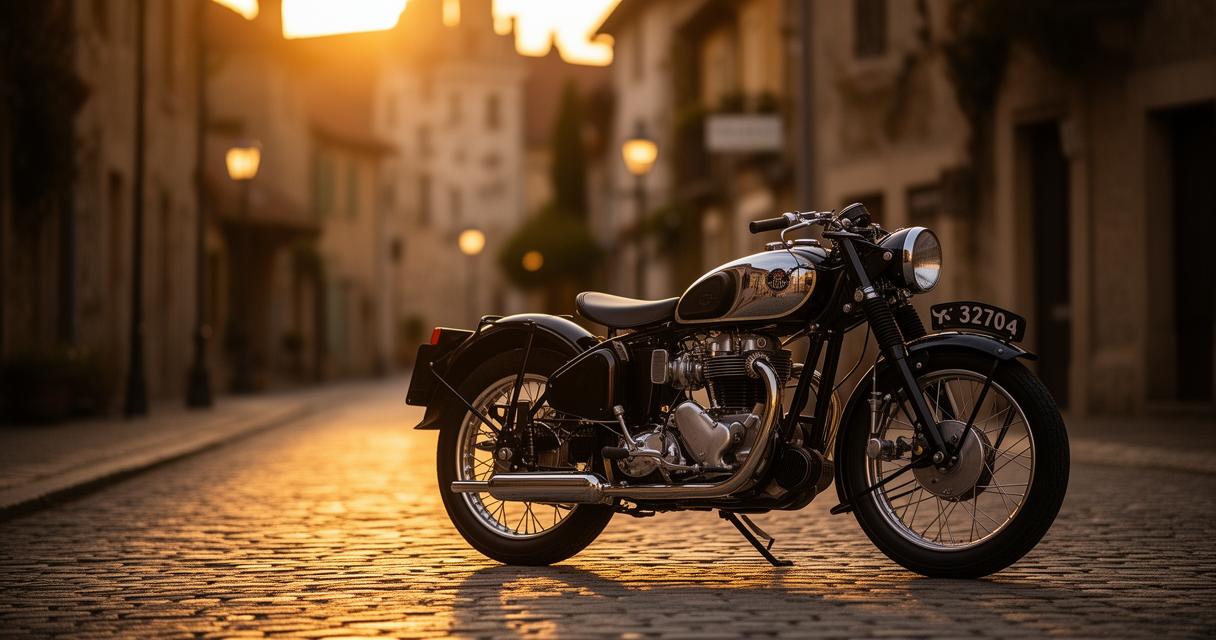
It's not only pedal cyclists who benefit from this renewed focus on safety and security. Owners of motorbikes have equally valid concerns about theft and road safety, and many cities now offer specialised training programmes tailored specifically to motorbike riders. These courses cover everything from defensive riding techniques to understanding how to secure your machine properly when parked overnight. Instructors often share practical advice about choosing the right locks, finding well-lit parking spots, and even installing tracking devices for added reassurance. Such initiatives recognise that whether you're riding a lightweight bicycle or a powerful motorbike, feeling secure and confident on the road makes an enormous difference to how often people choose to ride at all.
Employment Opportunities and Cultural Connections in the Cycling World
Beyond the practical benefits of getting around, the cycling world has quietly become a genuine economic force, offering employment pathways and cultural richness that many people overlook entirely.

Career Pathways for Youth and Adults in the Biking Industry
The biking industry offers a surprisingly diverse range of career opportunities, from skilled mechanics and frame builders to retail specialists and event organisers. Young people leaving school with a passion for bikes can find genuine apprenticeship routes into mechanical work, whilst adults looking for a career change often discover that their enthusiasm for cycling translates neatly into roles within shops, workshops, or even bike tourism companies. There's something particularly satisfying about turning a hobby into a livelihood, and many small businesses across Britain now thrive precisely because their founders started as passionate amateurs tinkering with bikes in their garden sheds.
Celebrating cycling heritage: museums, exhibitions, and artistic expression
Cycling's rich history deserves proper celebration, and thankfully several museums and exhibitions across the country do just that, showcasing everything from Victorian-era penny farthings to sleek modern racing machines. These spaces aren't dusty archives but vibrant celebrations of design, engineering, and cultural significance. Artists, too, have long found inspiration in the humble bicycle, creating sculptures, paintings, and installations that capture its elegant simplicity. For those keen to dive deeper into this world, plenty of dedicated blogs and online platforms now offer interactive content, forums, and detailed guides connecting enthusiasts across the country, proving that the passion for cycling extends far beyond the road itself and into genuine cultural appreciation.