
When the temperature drops and frost begins to settle, the question of how to keep roads and pavements safe becomes a pressing concern for councils, businesses, and homeowners alike. Gritting salt has long been one of the most reliable and cost-effective tools available for winter road safety, yet its proper use is often misunderstood. Understanding how it works — and how to apply it responsibly — can make a genuine difference when cold snaps strike.
Key takeaways
- Gritting salt works by lowering the freezing point of water, which prevents ice from bonding to road and pavement surfaces.
- Proactive application of salt before a freeze occurs is significantly more effective than treating ice after it has already formed.
- Local authorities prioritize key routes during winter, while property owners have a legal duty of care to ensure the safety of pedestrians on their premises.
- White marine salt is an increasingly popular and environmentally friendly alternative to traditional mined rock salt for winter maintenance.
- Economic analysis shows that investment in de-icing is a highly cost-efficient way to prevent accidents and keep infrastructure operational.
- Effective winter safety management involves identifying high-risk areas like ramps and entrances and using weather forecasts to plan treatments accurately.
Why Gritting Salt Is Essential for Winter Road and Pavement Safety
How Gritting Salt Works to Prevent Ice and Snow Build-Up
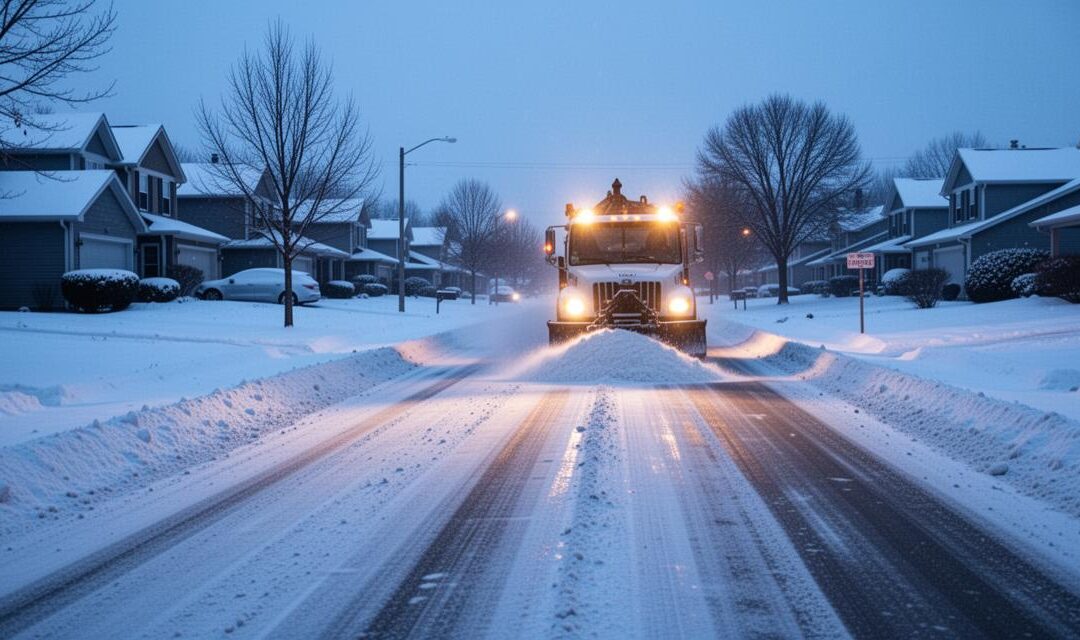
At its core, rock salt functions by lowering the freezing point of water, which prevents ice from bonding to road and pavement surfaces. This process, known as ice prevention, is effective at temperatures down to around -10°C, making it well suited to the typical conditions experienced across the United Kingdom during winter. When spread ahead of a freeze, salt acts as an anti-icing agent, significantly reducing the risk of dangerous black ice forming on high-traffic surfaces. Gritter lorries operated by local authorities and the Highways Agency carry out this work on a vast scale, covering thousands of miles of A and B-roads to keep the nation moving. Many local councils publish their gritting routes online, so residents can check which roads are prioritised during severe weather.
The economic case for winter gritting is compelling. It is widely recognised that every pound spent on de-icing delivers far greater value to the wider economy, making it one of the most cost-efficient forms of infrastructure safety investment available. The UK benefits from domestic salt mines that supply between three-quarters of a million and two million tonnes of salt each winter, with reserves sufficient for centuries to come.
The Risks of Untreated Roads and Pavements During Cold Snaps
The consequences of neglecting surface treatment during cold weather can be severe. Untreated roads and pavements become treacherous for drivers, cyclists, and pedestrians alike, with the risk of slips, falls, and collisions rising sharply when ice is present. Pedestrian safety is particularly at stake on pavements outside commercial premises, where property owners have a clear duty of care. Hidden ice patches — those invisible to the naked eye — are among the most hazardous conditions, and without regular maintenance checks, they can persist long after a freeze appears to have passed.
How to Use Gritting Salt Effectively at Home and on Public Surfaces
Choosing the Right Type of Salt for Different Winter Conditions
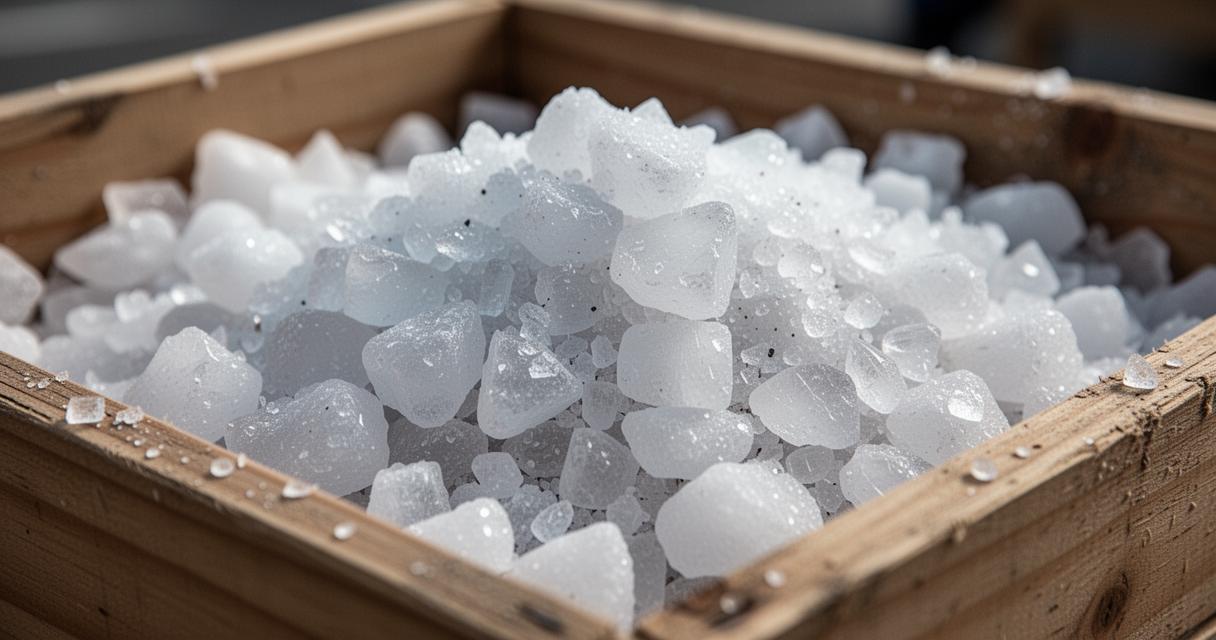
Not all gritting salt is created equal, and selecting the appropriate type for a given situation is an important part of responsible winter maintenance. White marine salt is increasingly favoured over mined rock salt for its lower environmental impact of salt on vegetation and groundwater. Traditional rock salt, whilst effective, can affect nearby plants and may alter the nitrogen cycle in the soil if used excessively. Sustainable alternatives such as white marine salt offer a more environmentally considerate option without compromising on performance, and are increasingly adopted by professional de-icing services.
For those managing commercial property maintenance, the choice of salt should be guided by both the scale of the area and the severity of the conditions expected. In freezing conditions below -5°C, more thorough grit coverage is required to combat stubborn ice build-up effectively.
Best Practices for Applying Gritting Salt Safely and Responsibly
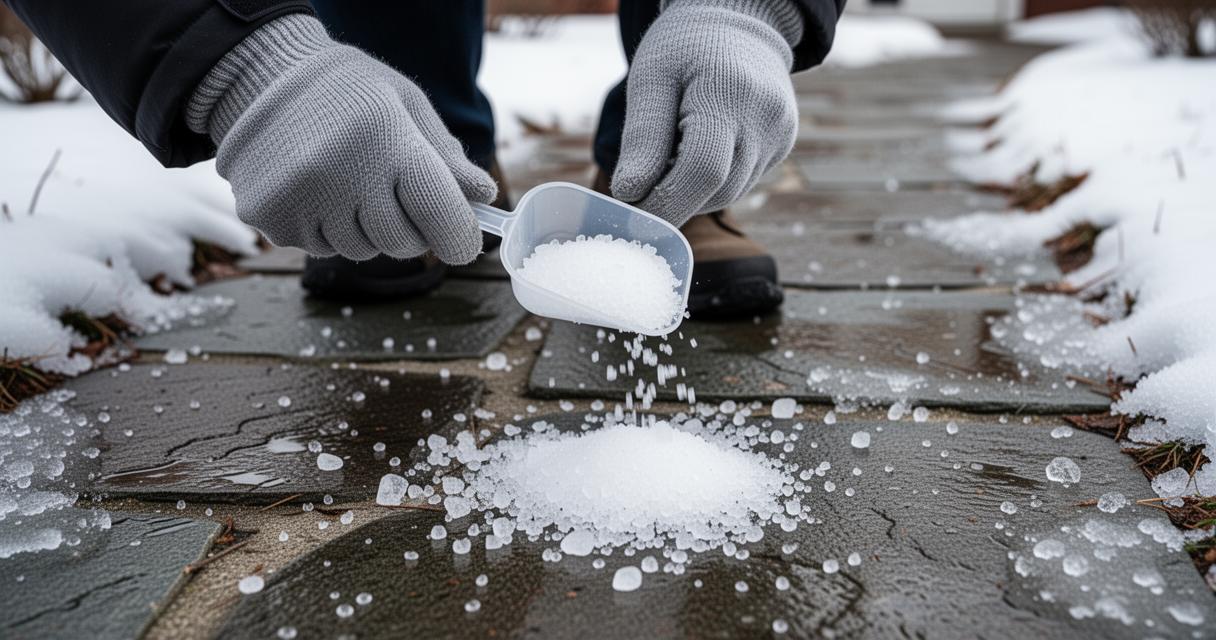
Effective proactive salting begins before ice forms, not after. Applying salt ahead of a freeze is considerably more efficient than attempting to treat ice once it has already bonded to a surface, and it also improves the effectiveness of any subsequent snow clearance. For smaller areas such as doorsteps and garden paths, hand-held spreaders offer a practical solution, whilst mechanical spreaders are better suited to larger commercial spaces.
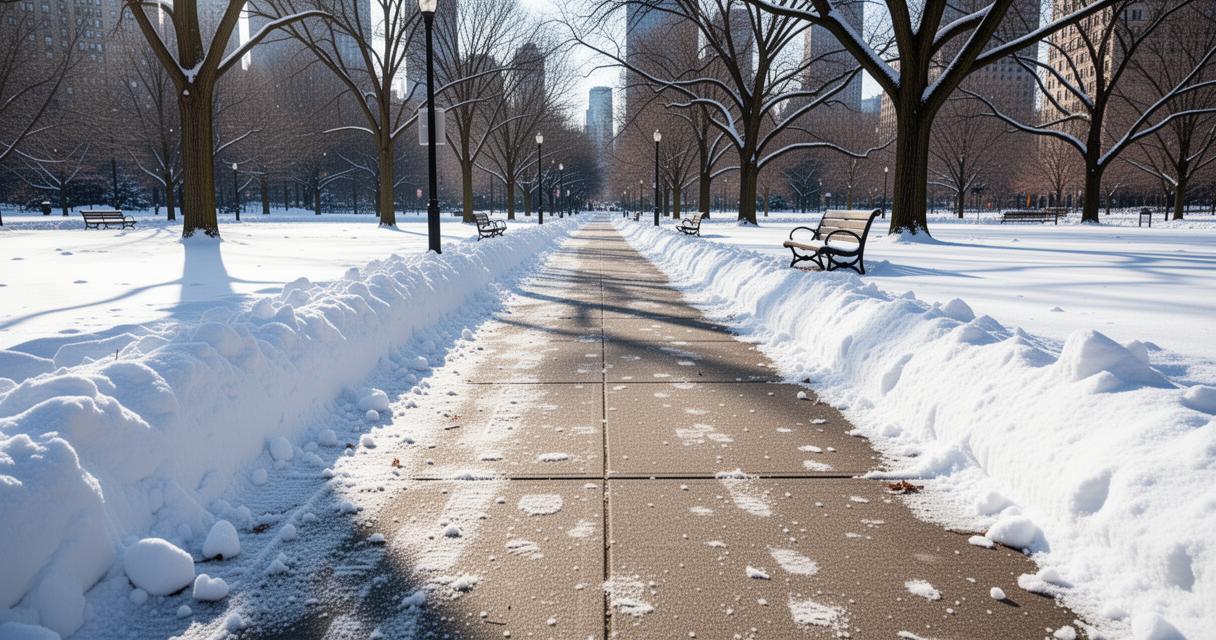
Good hazard management also involves identifying the most vulnerable areas of a property — entrances, car parks, ramps, and shaded spots that receive little sunlight — and prioritising these during treatment. Weather monitoring plays a vital role here; accurate forecasting allows property managers to plan ahead and deploy resources efficiently, rather than reacting to conditions after they have already deteriorated. Equally, clear communication about safe walking routes can help manage pedestrian safety without resorting to excessive salt application. Using only what is necessary is both an environmentally sound practice and a sensible approach to sustainable de-icing.
Ultimately, winter weather preparation is about more than simply responding to snow and ice — it is about building a proactive, considered approach to keeping people safe throughout the coldest months of the year.